
Hot Water Heater Repair Cuyahoga County, OH
Professional hot water heater repair and replacement across Cuyahoga County, Ohio.
Local Hot Water Heater Repair Expertise
In Cuyahoga County, a failing water heater means no hot showers, no clean dishes, and potential water damage. We diagnose the problem, explain your options, and get you back to normal fast. Hot water heater repair in Cuyahoga County with straightforward pricing and honest advice.
How We Work
Our process is simple: we listen, diagnose, and fix—or recommend a replacement if that's the smarter choice.
We Diagnose the Real Problem
No hot water doesn't always mean a full replacement. We inspect your heater, check for leaks, test heating elements, and identify sediment buildup or corrosion. Many Cleveland Heights and Lakewood homes need only a repair—and we'll tell you upfront if that's the case.
We Arrive and Listen
You tell us what's wrong. We ask about leaks, temperature issues, odd noises, and how old your unit is.
We Inspect Thoroughly
Pressure relief valve, thermostat, connections, anode rod, and tank condition all get checked carefully.
We Show You the Fix
We explain what's broken, whether repair or replacement makes sense, and what to expect going forward.
We Do the Work
Whether we replace a valve, flush sediment, or install a new unit, we work cleanly and thoroughly.
You'll always know what's happening next—and when.
Our Services
Hot water heater repair and replacement for every situation across Cuyahoga County.
Hot Water Heater Repair
Leaks, strange noises, rusty water, or low hot water pressure can often be fixed without replacing the entire unit. We replace faulty thermostats, repair pressure relief valves, flush sediment buildup, and replace corroded anode rods. In Parma and surrounding areas, we handle same-day repairs for leaks and loss of hot water.
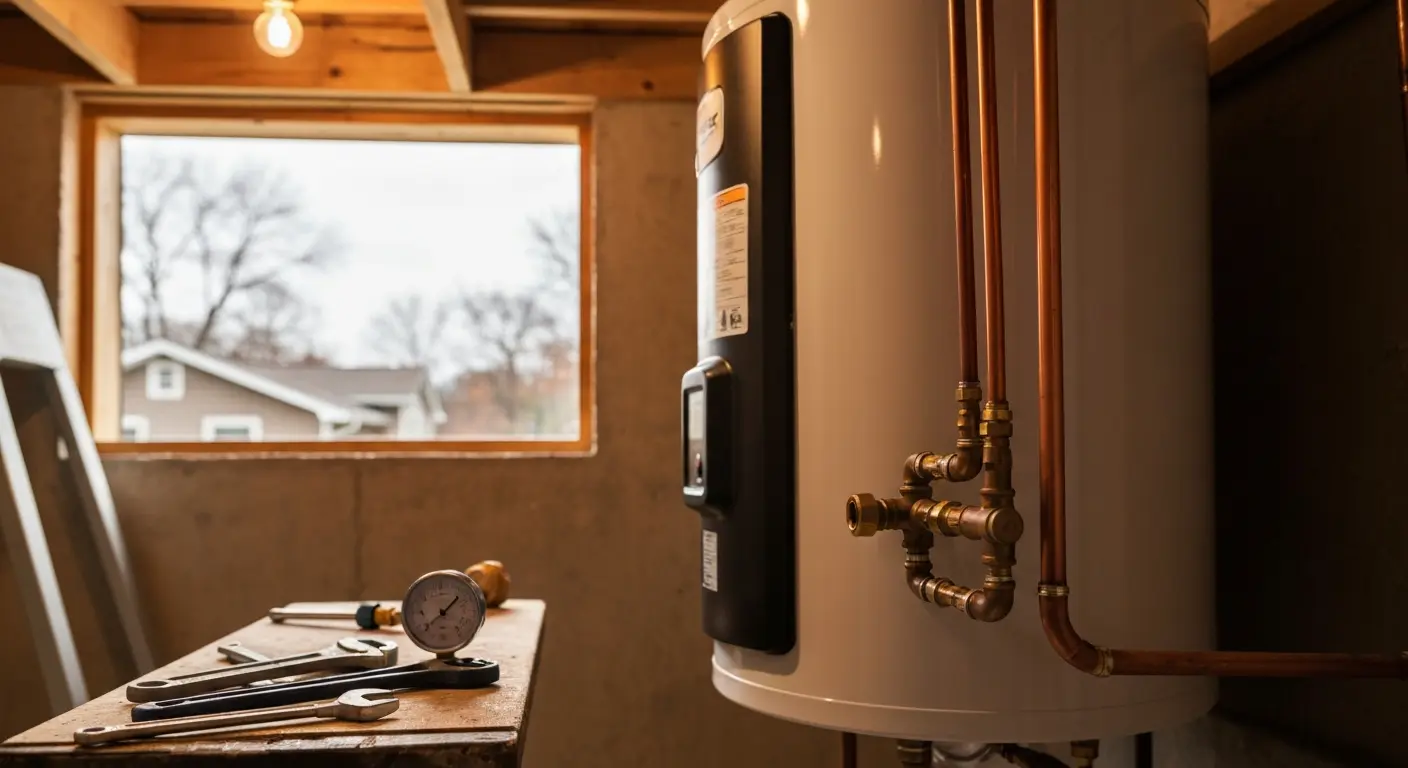
Quick repair diagnosis in Cuyahoga County homes
Hot Water Heater Replacement
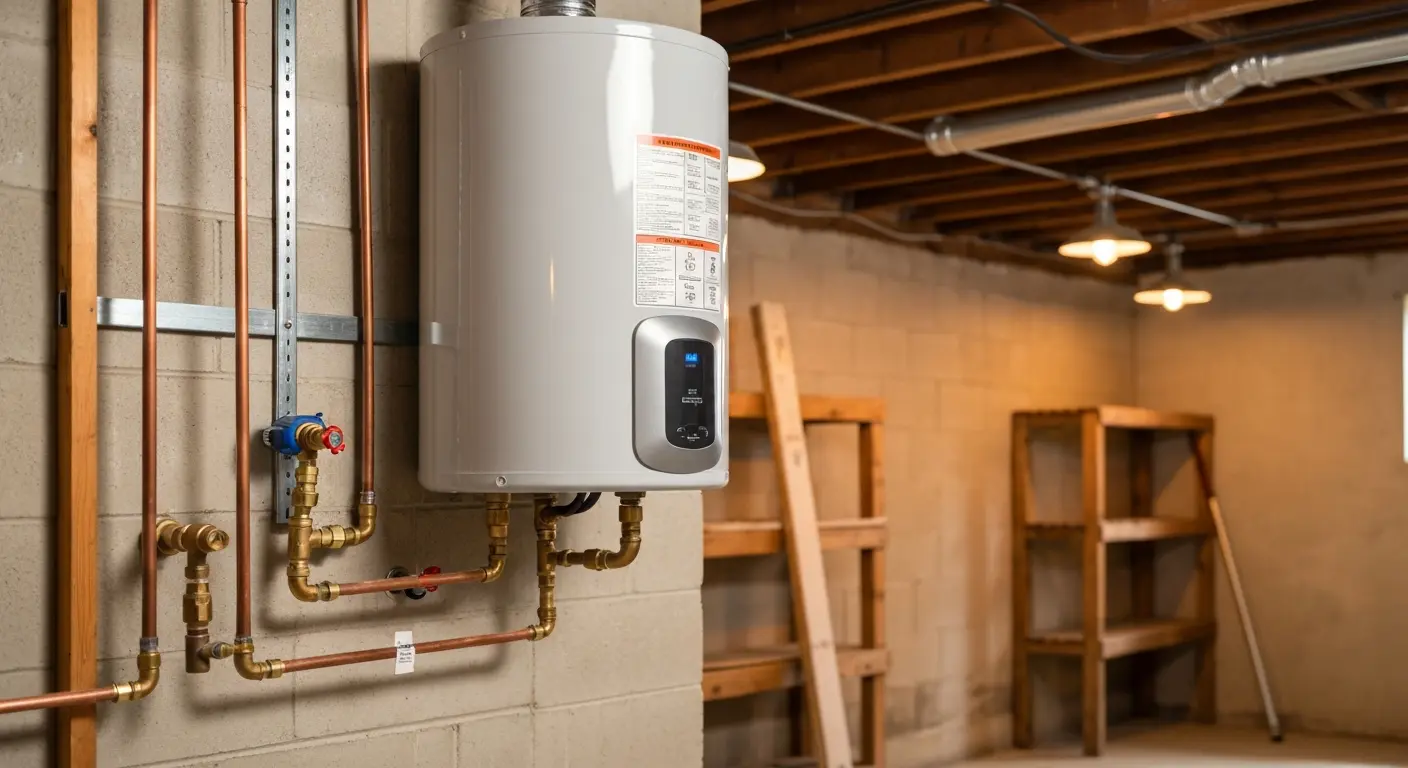
Professional water heater replacement in Cuyahoga County
If your heater is over 10 years old, leaking from the tank, or failing repeatedly, replacement is more cost-effective than endless repairs. We install traditional tank, tankless, and heat-pump water heaters. Euclid, Cleveland Heights, and East Cleveland customers trust us to handle permit work and ensure proper venting and gas/electric connections.
Water Heater Maintenance & Flushing
Sediment buildup reduces efficiency and causes corrosion. Annual flushing removes mineral deposits and extends your heater's lifespan. We also inspect anode rods, test relief valves, and check for early signs of corrosion before they become expensive problems.
Why It Matters
A failing water heater isn't just an inconvenience—it's a safety and property risk.
Avoid Water Damage and Mold
A leaking heater can pump hundreds of gallons into your basement, damaging flooring, framing, and belongings. Basement water damage in Strongsville, Shaker Heights, and other Cuyahoga County neighborhoods can take weeks to remediate and costs thousands in repairs plus mold treatment.
A heater leak discovered while you're at work can release more water than an average hot tub before it's found—catch it early.
Lower Energy Bills and Reliability
A water heater working harder than it should due to sediment or age uses more electricity or gas. Newer, efficient models—especially heat-pump units—save money on utility bills over time. Plus, a reliable heater means hot showers and clean water for your family, no surprises in winter.
Serving Cuyahoga County and Surrounding Areas
We serve Cleveland, Lakewood, Parma, Euclid, and every neighborhood in between.
Trusted Local Plumbers
We know Cuyahoga County homes. Older Cleveland and Cleveland Heights houses often have vintage heaters that need careful handling. Suburban Lakewood, Beachwood, and Westlake properties have newer systems we install and maintain. Urban water pressure differences, local building codes, and seasonal demands across the county—we handle it all.
Available for Cuyahoga County repair calls. We handle all neighborhoods from Rocky River to Orange Village.
Common Signs Your Water Heater Needs Repair
Don't wait until you're standing in a cold shower to call for help.
What Are the Early Signs of a Failing Water Heater?
Common warning signs include lack of hot water, rusty or discolored water, leaks around the tank, unusual noises like popping or rumbling, inconsistent water temperature, and higher energy bills. Sediment buildup causes most of these problems and can be caught early with a professional inspection.
- No hot water or reduced supply
- Rusty, murky, or discolored water
- Strange popping, banging, or rumbling sounds
- Puddles or moisture beneath the tank
- Inconsistent water temperature during use
Frequently Asked Questions
Your questions about water heater repair in Cuyahoga County answered.
Should I repair or replace my water heater?
If your heater is under 8 years old and the repair costs less than one-third the price of a new unit, repair is smart. If it's over 10 years old, leaking from the tank, or needs frequent repairs, replacement saves money long-term and avoids emergency failures.
Why is my water rusty or discolored?
Rusty water signals corrosion inside the tank, usually from a failing anode rod. If corrosion is advanced, the tank itself is rusting and replacement is necessary. If caught early, replacing the anode rod can extend the heater's life.
What causes that popping noise in my water heater?
Sediment buildup at the bottom of the tank hardens as the heating element heats it, creating popping or banging sounds. Flushing the tank removes sediment and often stops the noise. If noise continues after flushing, internal corrosion or component failure requires professional diagnosis.
Is a small leak dangerous?
Yes. Even a small drip can worsen quickly as tank pressure increases. A compromised tank can suddenly release hundreds of gallons, causing severe water damage. Any leak—even minor—should be inspected immediately and addressed before it becomes an emergency.
How often should I have my water heater inspected?
Annual inspection and flushing are ideal, especially in hard-water areas. Regular maintenance catches sediment buildup, anode rod wear, and valve issues before they cause problems. Early detection saves repair costs and extends your heater's life.
What's the difference between tankless and tank water heaters?
Tank heaters store hot water and are affordable upfront but take up space and lose heat over time. Tankless heaters heat water on-demand, use less energy, and last longer—but cost more initially. Each has pros and cons depending on your household size and usage patterns.
DISCOVER WHAT OUR CUSTOMERS HAVE TO SAY ABOUT US
REVIEWS
proudly serving these areas
Cuyahoga County, OH
Medina County, OH
READY TO take the next step?
get a free quote TODAY!
QUICK LINKS
our services
service areas
operating HOURS
Mon: 8:00 am - 5:00 pm
Tue: 8:00 am - 5:00 pm
Wed: 8:00 am - 5:00 pm
Thu: 8:00 am - 5:00 pm
Fri: 8:00 am - 5:00 pm
Sat: Closed - Closed
Sun: Closed - Closed